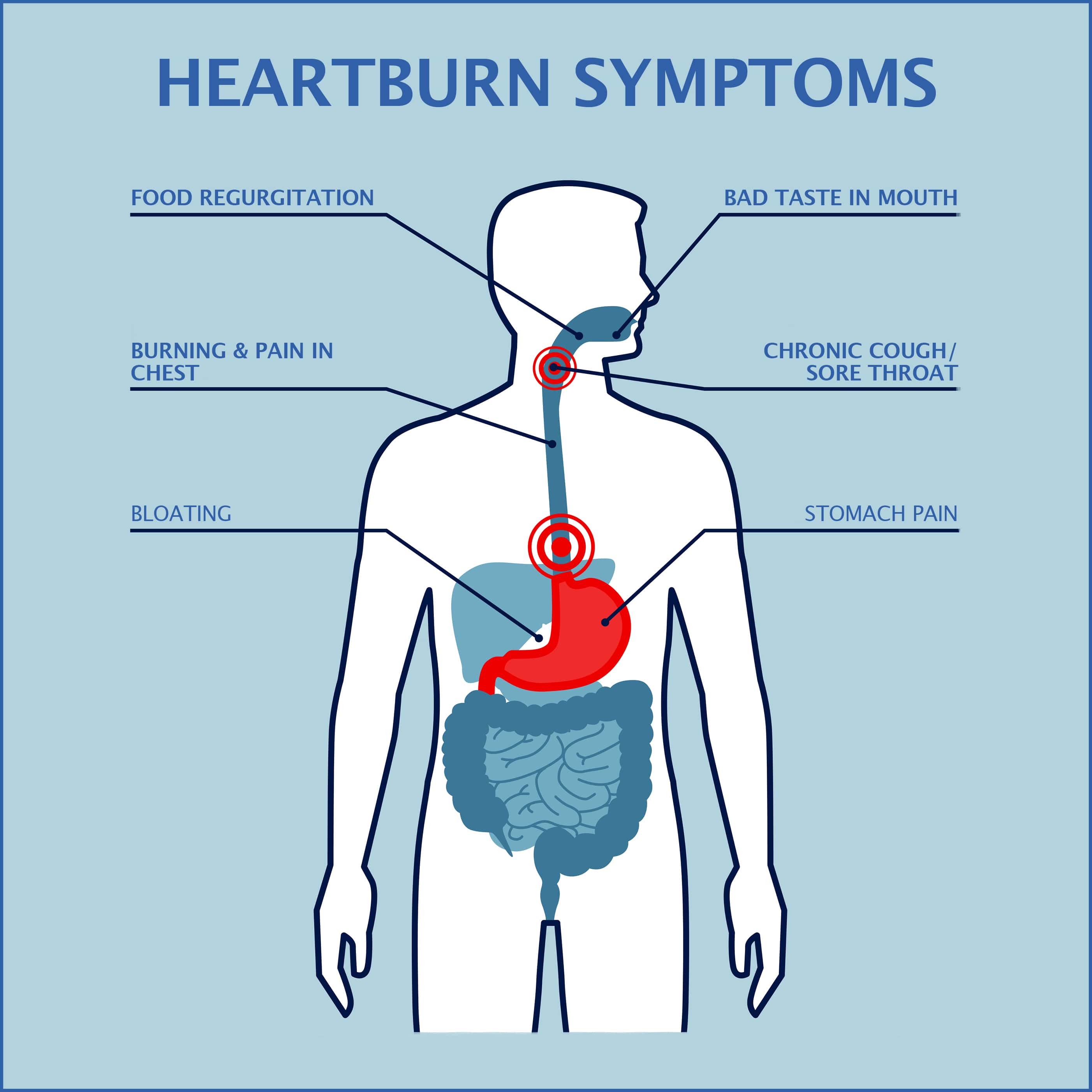
You're standing in the kitchen at 2:00 AM. Your chest feels like it’s being poked with a soldering iron, and that "smooth" glass of Cabernet suddenly feels like a huge mistake. We've all been there, wondering if that last drink was the culprit. So, can alcohol cause heartburn or are you just getting older?
Honestly, it’s both. Alcohol is basically a triple threat when it comes to your esophagus. It doesn’t just sit there; it actively messes with the machinery that keeps stomach acid where it belongs.
If you've ever felt that sour, acidic wash creep up the back of your throat after a margarita, you aren't imagining things. It’s a physiological certainty for millions. But the "why" is actually more interesting than just "acid is bad." It’s about muscle relaxation, chemical irritation, and some weird ways your stomach handles liquid.
Why Your Drink is Turning Into Fire
The primary villain here is a little ring of muscle called the Lower Esophageal Sphincter (LES). Think of it as a velvet rope at a high-end club. Its only job is to let food in and keep stomach acid out.
Alcohol is a potent muscle relaxant.
When you drink, that "velvet rope" gets lazy. It goes limp. This allows the caustic hydrochloric acid from your stomach—stuff literally designed to dissolve protein—to splash upward into your esophagus. Your esophagus isn't built for that. It’s delicate tissue. Unlike the stomach, which has a thick mucus lining that acts like a hazmat suit, the esophagus is basically wearing a t-shirt.
Beyond just relaxing the muscle, alcohol—specifically things like white wine and beer—can actually increase the amount of acid your stomach produces. You’re relaxing the door while simultaneously filling the room with more fire. It’s a bad combo.
According to a meta-analysis published in Alcohol and Alcoholism, researchers found a clear dose-response relationship. The more you drink, or the more frequently you drink, the higher the risk of developing Gastroesophageal Reflux Disease (GERD). It isn't just about one bad night; it's about how alcohol changes your gut's baseline over time.
The Fermentation Factor
Beer and wine are fermented. They contain a lot of secondary compounds beyond just the ethanol. Some people react poorly to the tannins in red wine or the carbonation in beer.
Bubbles are a nightmare for heartburn.
When you drink a heavy IPA or a glass of Prosecco, you’re swallowing gas. That gas has to go somewhere. As it builds up, it creates pressure. That pressure pushes against that already-relaxed LES muscle, forcing acid upward. This is why "can alcohol cause heartburn" is a question that frequently pops up among craft beer enthusiasts. You aren't just dealing with the booze; you're dealing with the pressure.
Not All Drinks Are Created Equal
If you ask a bartender what the "safest" drink is for a sensitive stomach, they might say a vodka soda. They aren't totally wrong, but they aren't totally right either.
Straight spirits like vodka, gin, or tequila don't have the sugar or the fermentation byproducts of wine and beer. However, they have a much higher alcohol by volume (ABV). High-concentration alcohol is a direct irritant to the mucosal lining. It’s like putting rubbing alcohol on a paper cut.
Then you have the mixers.
- Orange juice: Highly acidic.
- Tomato juice (Bloody Marys): The ultimate heartburn trigger.
- Coke/Sprite: High sugar and high carbonation.
Mixing a relaxant (alcohol) with an acid (citrus) and a pressure-builder (bubbles) is the "perfect storm" for a miserable night. A study from the American Journal of Gastroenterology noted that even moderate alcohol consumption can trigger symptoms in people who don't even have chronic reflux. It’s an equal-opportunity irritant.
The Role of "Drunchies" and Late-Night Snacks
We can't talk about alcohol-induced heartburn without talking about the 1:00 AM pizza run.
Alcohol lowers your inhibitions. You stop caring about your diet. You eat spicy, fatty, or fried foods that you’d normally avoid. Fat is a major trigger because it takes forever to digest. It sits in your stomach, keeping the acid levels high for hours.
When you combine a heavy, fatty meal with alcohol, you’ve essentially paralyzed your digestion. Then, you do the worst thing possible: you go to bed.
Gravity is Your Best Friend (Or Worst Enemy)
When you stand up, gravity keeps your stomach contents down. When you lie flat after three beers and a basket of wings, there is no physical barrier keeping that "acid soup" from flowing into your throat.
This is why many people experience the worst alcohol-related heartburn about 60 to 90 minutes after they hit the pillow. You wake up choking or with a "lump in your throat" sensation (globus pharyngeus). It’s scary, it’s uncomfortable, and it’s entirely preventable.
Can You Still Drink if You Have Reflux?
Look, nobody wants to hear "just stop drinking forever." That's not realistic for everyone. But you have to be smarter about the mechanics of it.
The University of Pittsburgh Medical Center (UPMC) often suggests a "less is more" approach, focusing on the type of alcohol. Many patients find that low-acid drinks, like a quality tequila on the rocks with a splash of water (not lime), are tolerated much better than a heavy red wine or a sugary cocktail.
It’s also about timing.
Giving yourself a three-hour window between your last drink and your bedtime can be a game-changer. It gives your stomach a chance to empty before you move into a horizontal position.
The Gastrin Connection
There’s a hormone called gastrin. Alcohol stimulates its release. Gastrin tells your stomach to pump out more acid. Interestingly, some studies suggest that low-ethanol drinks (like beer and wine) stimulate gastrin more than high-ethanol drinks (like whiskey).
This is counterintuitive. You’d think the stronger stuff is worse. But the fermentation products in beer and wine are specifically tuned to trigger your stomach's acid pumps. If you find that a single beer ruins your night, but a gin and water doesn't, this is likely why.
Practical Steps to Stop the Burn
If you’re currently suffering or planning a night out, there are real, non-boring ways to mitigate the damage.
- Hydrate between rounds. This isn't just to avoid a hangover. Water dilutes the acid in your stomach and helps wash residual alcohol off the lining of your esophagus.
- Skip the citrus. If you’re ordering a cocktail, ask them to leave out the lemon, lime, and grapefruit. It sounds boring, but your chest will thank you.
- Elevate your head. If you’ve been drinking, sleep with an extra pillow or a wedge. Keep your esophagus above your stomach. It’s simple physics.
- Chew gum. Not peppermint (which can actually relax the LES further), but a fruit-flavored gum. Chewing gum stimulates saliva, which is alkaline. Saliva is your body's natural antacid.
- Identify your "Hell No" drink. Everyone has one. For some, it’s IPAs. For others, it’s cheap tequila. Listen to your body. If every time you drink a specific thing you feel like you've swallowed a hornet's nest, stop drinking that specific thing.
The Long-Term Reality
If you’re asking "can alcohol cause heartburn" because it’s happening every single time you have a drink, it might be time to look at the bigger picture.
Chronic exposure to stomach acid in the esophagus can lead to a condition called Barrett’s Esophagus. This is where the cells in your food pipe actually change to look like intestinal cells to survive the acid. It’s a precursor to esophageal cancer. It’s not something to mess around with.
If you find yourself popping Tums or Prilosec every time you have a beer, your body is sending you a very clear signal. The inflammation is real.
What to Do Next
First, try the "Dilution Solution." For every alcoholic drink, have a full 8-ounce glass of water. It’s a classic for a reason. It slows you down and keeps the acid concentration low.
Second, switch your mixer. Trade the soda or orange juice for plain water, club soda (if you can handle the bubbles), or just neat.
Third, monitor the frequency. If the heartburn persists even when you aren't drinking, the alcohol may have already caused some low-grade inflammation that needs medical attention. A doctor might suggest an H2 blocker or a PPI, but those are Band-Aids. The real fix is usually adjusting the "how" and "when" of your consumption.
Stop laying down right after a drink. Keep your meals small if you're planning on having wine with dinner. These small, mechanical changes often matter more than the medication you take the next morning. Your esophagus is a one-way street; do what you can to keep it that way.
Actionable Insights for Your Next Night Out:
- Choose "Clean" Spirits: Opt for high-quality, distilled spirits (vodka, gin, silver tequila) mixed with plain water or a splash of non-citrus juice.
- The 3-Hour Rule: Finish your last drink at least three hours before you plan to lie down for sleep.
- Avoid the "Trio of Trouble": Never combine high-fat food (fries), acidic mixers (lime), and alcohol in the same sitting if you are prone to reflux.
- Saliva is Key: If you feel the burn starting, chew non-mint gum to trigger bicarbonate-rich saliva production.
- Track Your Triggers: Keep a simple note in your phone. If "Red Wine = Pain," believe it and act accordingly.